What Is Flounder Gigging? A Beginner's Guide to the Technique



 Published: Nov 25, 2026
 6 min read
Summary
A plain-language introduction to flounder gigging for first-timers. It covers how the technique works, how it differs from other fishing, and what to know before a guided trip in Matagorda Bay with Capt. Justin.
So, What Is Flounder Gigging?
Flounder gigging is a way of catching flounder with a long pole fitted with a pronged spear tip, called a gig. Instead of dropping bait and waiting for a bite, you find the fish with your eyes and place the gig yourself. It is closer to stalking than to casting, and that is a big part of why people get hooked on it.
Flounder are flatfish that spend much of their time lying on the bottom in shallow water, often partly buried in sand or mud. They are built to disappear, with a flat body and coloring that blends into the seafloor. Spotting one means looking for a faint outline, an oddly shaped bump, or the small disturbance a fish leaves when it settles in. Your eyes do most of the work.
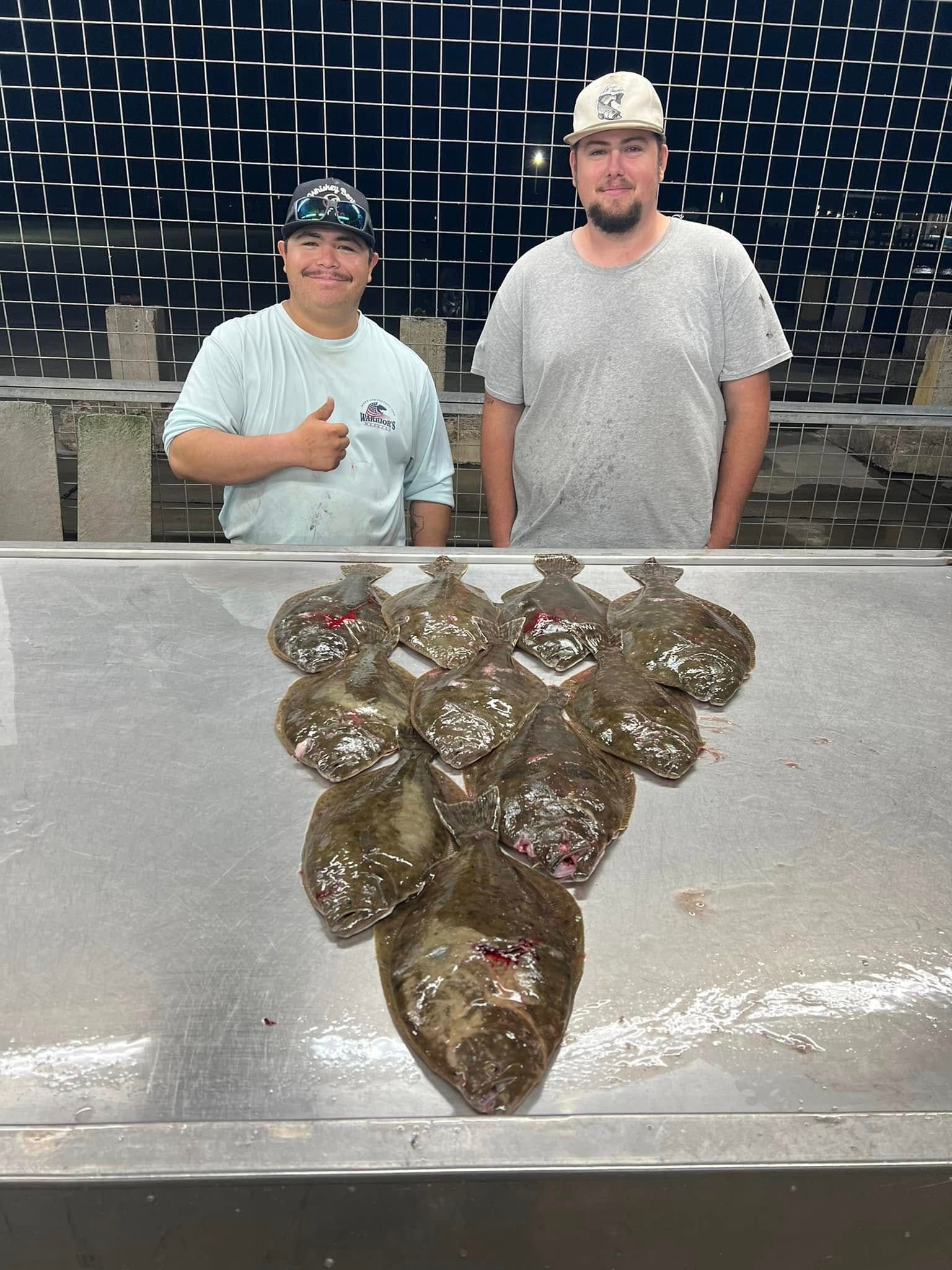
That is also why the technique suits calm, shallow water. When the bottom is visible, you can pick out a flounder. When the water is stirred up or deep, you cannot. A lot of what makes a gigging trip good or bad comes down to water clarity and conditions, and a guide who knows the area reads those things before you ever leave the dock.
How Gigging Differs From Other Kinds of Fishing
Most people picture fishing as a rod, a reel, a line and something on the hook. Gigging skips nearly all of that. There is no waiting on a bite and no fighting a fish on a line. You are moving slowly, looking down, and making one deliberate strike when you see a target.
The pace is different too. Rod-and-reel fishing can be relaxed, with long stretches of sitting and watching a line. Gigging keeps you on your feet and watching the water the whole time. Everyone on the boat has a job, whether that is spotting, placing the gig or keeping the boat steady, so it tends to feel more like a team activity than a quiet afternoon with a cooler.
It also asks for a different kind of patience. You are not waiting for a fish to come to you. You are searching, and plenty of what you see turns out to be a shell, a shadow or a patch of weed. Learning to tell the real thing from the false alarms is the skill that improves with every trip.
Why Matagorda Bay Is a Good Place to Learn
Matagorda Bay is a prime spot for gigging, which is the main reason Coastal Ways Guide Service builds its trips around the technique. The shallow bay water on the Texas coast gives you the kind of setting where flounder can be spotted and gigged, and a local guide knows where to take the boat and when.
For a newcomer, that local knowledge matters more than gear. You can read about gigging all day, but knowing which stretch of water is worth working on a given trip comes from time spent there. Capt. Justin runs these outings from Matagorda, and learning the technique with someone who fishes the area regularly shortens the learning curve a lot.
There is also a seasonal side to it. Flounder gigging in Texas has its own season, so it is worth checking timing with your guide before you plan a trip around it.
What a Guided Trip Looks Like
Capt. Justin runs a well-equipped 18-foot Weldcraft aluminum boat that carries up to six passengers. That makes it workable for a small group of friends or a family, and everyone gets a real chance to take part instead of watching from the back.
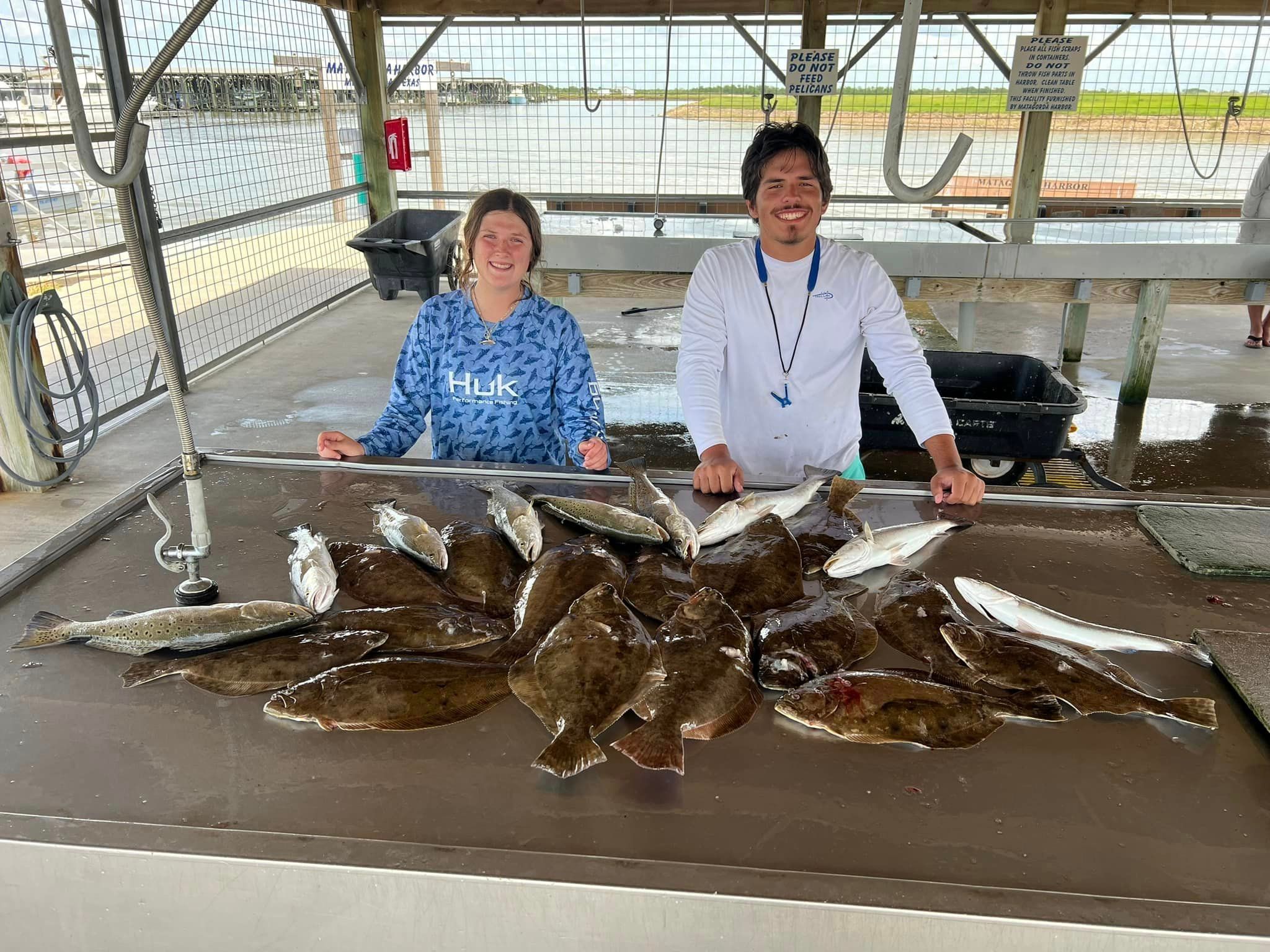
Coastal Ways Guide Service offers a handful of 6-hour inshore flounder trips, each pitched at a different group:
- A guided flounder fishing adventure for beginners
- A family-friendly flounder adventure
- A flounder gigging adventure for kids
- A pro-level flounder gigging experience
- A general 6-hour flounder fishing adventure
If you have never held a gig, the beginner trip is the natural starting point. You are not expected to show up knowing anything. The idea is that Capt. Justin walks you through how to spot a fish, how to approach it and how to place the gig, so by the end you understand the technique and not just the result.
What Newcomers Should Understand Before Trying It
Go in expecting to learn by doing. Your first few sightings will probably be misses or false alarms, and that is normal. Flounder are good at hiding, and your eye needs a bit of time to adjust to what a flounder looks like on the bottom.
Listen to your guide on the practical side of things. Gigging puts a sharp tool in your hands on a moving boat, so handling it the way you are shown matters. Follow the instructions on where to stand, how to carry the gig and when to strike, and ask questions as you go. A good guide would rather answer a basic question than watch you guess.
Finally, ask about what is provided and what to bring when you book. Details like that vary by trip, so confirm them with Capt. Justin directly instead of assuming. Once you know what to expect, all that is left is the fun part: standing on the boat, watching the bay floor, and waiting for that first flat shape to appear.