%2Ffit-in%2F250x250%2Fguide_websites%2F19418%2Fimages%2F1729725718160screenshot2024-10-24060653.png&w=1920&q=100)
Fresh Flounder and Halibut Catch in Matagorda TX
Flounder and Halibut Fishing in Matagorda - What to Expect
%2F%2Fusers%2Fe61e9648-5ea9-4179-ab34-fe135dcbbf5f%2Fimages%2Fmatagorda-flatfish-fishing-catch-display-2890.jpg&w=1920&q=75)
Guided Fishing Trip by Guide Justin Morin in June
Meet your Guide Justin Morin
- Matagorda Fishing: Reel in Adventure on Every Cast


Summary
This guided fishing trip in Matagorda showcases a productive Thursday in June for targeting flounder and halibut. Justin Morin of Coastal Ways Guide Service demonstrates proper catch handling and cleaning techniques, revealing what anglers can expect when targeting these bottom-dwelling flatfish in Texas coastal waters.
Guided Fishing with Justin Morin - Rates & Booking
Guide Justin Morin of Coastal Ways Guide Service leads guided fishing trips in Matagorda on Thursday, June 11th. This experience focuses on targeting flounder and halibut, two of the region's most rewarding bottom-feeding species. For specific rates, group sizes, and trip inclusions, contact Coastal Ways Guide Service directly through their booking system to customize your fishing adventure.
Justin brings deep knowledge of local species behavior and seasonal patterns, ensuring anglers understand not just where to fish, but why these techniques work. All necessary fishing expertise and local insight are included in your guided experience.
Highlights of Flounder and Halibut Fishing
The Matagorda area provides excellent conditions for pursuing both California flounder and Pacific halibut, as well as the hardy Southern flounder species that thrive in Texas waters. These flatfish species are bottom-dwelling predators that respond predictably to proper technique and bait presentation. Anglers on this trip witness firsthand how to identify quality catches and understand the importance of proper handling during the cleaning process shown in this image.
The shallow to moderate depths around Matagorda create ideal habitat for these species. Water conditions, tidal movements, and seasonal feeding patterns all influence where and when these fish congregate, making local guide knowledge essential for consistent success.
Local Species Insights: Flounder and Halibut
California flounder and Pacific halibut are both flatfish species adapted to life on the sea floor, where they hunt smaller fish and crustaceans using camouflage and ambush tactics. Understanding their behavior transforms your fishing approach. These species respond to natural bait presentations that mimic prey moving along the bottom. The sandy and muddy substrates around Matagorda create prime feeding zones where flounder and halibut position themselves to intercept passing food sources.
Southern flounder, equally present in Matagorda waters, displays aggressive feeding behavior during tide changes and low-light conditions. Unlike their Pacific cousins, Southern flounder often inhabit slightly shallower areas and are known for their powerful strikes. All three species share similar preferences for slow-moving presentations and live bait, though technique refinement makes the difference between occasional catches and productive days.
The cleaning station display demonstrates proper fish handling techniques. Freshly caught flounder and halibut must be kept on ice immediately to maintain quality. The filleting process preserves the delicate white meat that makes these species prized table fare. Learning these skills directly from an experienced guide ensures you understand the complete catch-to-table experience, from initial hookset through final preparation.
Water temperature, salinity levels, and seasonal migrations all influence when these species feed most actively. During June trips like the one shown here, warming water temperatures often trigger increased feeding activity as fish prepare for summer patterns. Guides like Justin adjust techniques based on real-time water conditions, current flows, and recent catch reports from the area.
Matagorda's location along the Texas coast offers access to diverse bottom habitats that attract both species throughout the year. The combination of natural channels, shallow flats, and deeper holes creates varied fishing zones within a single trip. This diversity means anglers encounter different techniques and conditions, learning adaptable skills that apply across multiple species and locations.
Fishing in Matagorda: Pacific Halibut, California Flounder and Southern Flounder
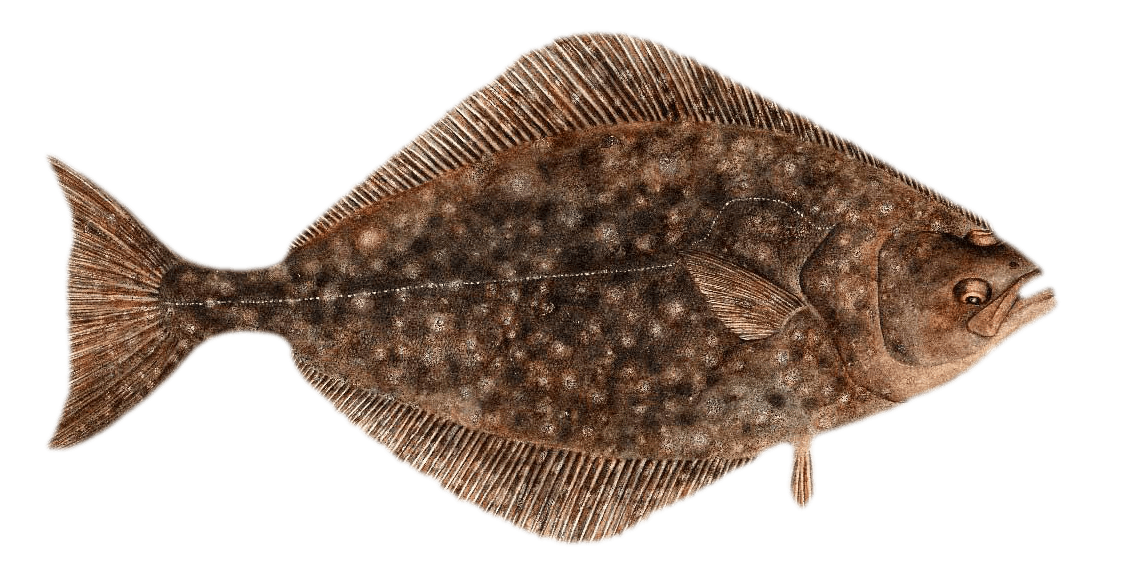
Pacific Halibut Overview
The Pacific Halibut (Hippoglossus stenolepis) is one of the world's largest flatfish species, belonging to the family Pleuronectidae within the order Pleuronectiformes. These remarkable deep-water dwellers are instantly recognizable by their muddy brown coloration adorned with dark-brown spots and their distinctively elongated, diamond-shaped bodies that set them apart from most other flatfish. What makes the Pacific Halibut truly special for anglers and seafood enthusiasts alike is not just their impressive size—they can reach up to 8 feet long and weigh as much as 500 pounds—but also their exceptional fighting ability and culinary value. Whether you're fishing off the coast of Alaska or exploring the waters near California, encountering a Pacific Halibut is a memorable experience that anglers dream about.
These are powerful swimmers that have adapted perfectly to life in cold, deep oceanic environments. Nearly all Pacific Halibuts are "right-eyed," meaning they rest and hunt with their right side facing upward and their left side against the seafloor—a peculiar adaptation that makes them one of nature's most interesting bottom-dwelling predators.
Pacific Halibut Habitat and Distribution
Pacific Halibuts are found exclusively in the deep, cold waters of the northern Pacific region, preferring depths between 20 and 1,000 feet, though they can venture as deep as 3,600 feet when conditions warrant. They thrive in water temperatures ranging from 37°F to 46°F and are most commonly located on or near continental shelves where food is abundant. In the United States, their range extends from the coasts of California northward through Oregon and Washington, up the Canadian coast, into the productive waters of the Gulf of Alaska and the Bering Sea, and all the way to the Chukchi Sea.
These demersal fish—a scientific term for bottom-dwelling species similar to stingrays—follow predictable migration patterns, moving in a clockwise direction from northwest to southeast throughout the year. The Gulf of Alaska and Bering Sea represent the most productive fishing grounds, though reliable populations exist in nearshore areas accessible to recreational anglers. During summer months, Pacific Halibuts migrate to shallower feeding grounds between 150 and 500 feet, making them more accessible to anglers. When winter arrives, they retreat to deeper waters for spawning, which affects seasonal fishing success rates.
Pacific Halibut Size and Weight
Pacific Halibuts are impressively large fish that showcase remarkable size variation depending on age and sex. While average specimens typically weigh between 20 and 40 pounds, it's quite common for anglers to land catches weighing around 100 pounds. The maximum recorded size reaches an extraordinary 8 feet in length, 5 feet in width, and 500 pounds in weight—making each encounter with a trophy-sized individual an unforgettable achievement.
Sexual maturity differs between males and females, with males reaching reproductive age around 8 years old and females maturing at approximately 12 years old. This extended growth period means that the largest specimens you encounter have likely been perfecting their hunting strategies in the deep ocean for several decades, contributing to their reputation as formidable opponents on the line.
Pacific Halibut Diet and Behavior
As apex bottom predators, Pacific Halibuts are opportunistic hunters with diverse dietary preferences. They primarily feed on an impressive array of fish species including cods, turbots, and pollocks that share their seafloor habitat, along with invertebrates like octopi, crabs, and shrimps. They're also known to hunt pelagic species such as salmon and herring, demonstrating their versatility as predators and their willingness to pursue prey at different water columns.
These fish are strong, active swimmers despite their flattened body shape, and they employ a stalking strategy from the seafloor, waiting for prey to venture within striking distance before launching powerful attacks. In deeper waters where light is limited, they rely heavily on their sense of smell to locate food, while in shallower areas they utilize both sight and hearing. Their hunting behavior is largely nocturnal or crepuscular, making dawn and dusk particularly productive times for anglers.
Pacific Halibut Spawning and Seasonal Activity
Pacific Halibuts follow a distinct seasonal migration pattern that dramatically influences fishing conditions throughout the year. Summer represents the most active period for anglers, as these fish move into shallower feeding grounds where they are more accessible and actively consuming food to build energy reserves. During these warmer months, Pacific Halibuts concentrate in the 150 to 500-foot depth range, making them a prime target for both recreational and commercial fisheries.
As water temperatures drop in autumn and winter, Pacific Halibuts migrate to deeper offshore waters to spawn their eggs. This spawning migration typically occurs from November through March, with peak activity in midwinter. Understanding this seasonal rhythm is crucial for planning successful fishing trips—summer expeditions offer the highest probability of successful encounters, while winter fishing requires more specialized equipment and expertise to reach spawning aggregations in extreme depths.
Pacific Halibut Techniques for Observation and Capture
Deep-Water Jigging Method: Since Pacific Halibuts are confirmed bottom-dwellers, equip yourself with specialized deep-fishing gear and target the sweet spot between 150 and 500 feet of depth. Use a 1 to 2-pound weight to send your bait to the bottom quickly, then slightly cast your line forward and retrieve it with fast, intermittent movements to create an enticing presentation. The most effective strategy involves anchoring your rod in a holder and gently bouncing it up and down to attract attention—it's truly a waiting game. Recommended baits include pink salmon heads and bellies, squid, herring, and octopus. Adding fishing attractants and using noisy jigs or spoons significantly increases your chances of success. Around the Gulf of Alaska, this technique has proven exceptionally effective during summer months when halibut congregate in accessible depths.
Fly Fishing Approach: While unconventional, fly fishing for Pacific Halibut is entirely possible and increasingly popular among adventurous anglers. Employ a 50-pound monofilament line with fast-sinking heads and a 12 to 15-weight heavyweight fly rod paired with a 16-pound snippet. Though challenging, recorded fly-caught Pacific Halibuts have exceeded 138 pounds, demonstrating the viability of this method. The technique requires the same depth and location considerations as traditional jigging but offers a more engaging, athletic fishing experience.
Spinner Rod Technique: For spinner rod enthusiasts, utilize a 6 to 7-foot heavy-action rod spooled with 60-pound line and 1 to 1.25-pound lead weights. Cast near known bottom structure and seamounts, allowing your lure to reach the seafloor before employing rhythmic retrieves that mimic the movement of injured prey species. This method works exceptionally well near the Bering Sea fishing grounds and off the Washington and Oregon coasts during peak summer season.
Pacific Halibut Culinary and Utilization Notes
Pacific Halibut is considered excellent table fare with firm, white flesh that possesses a delicate, slightly sweet flavor profile. The meat is versatile in the kitchen, lending itself beautifully to grilling, baking, pan-searing, and poaching. Beyond culinary appeal, Pacific Halibut represents a sustainable protein source when harvested responsibly within established quotas. The firm texture and mild flavor make it particularly suitable for both traditional and contemporary cuisine, and the fish commands premium prices in upscale seafood markets and restaurants.
From a nutritional standpoint, Pacific Halibut provides excellent protein content, omega-3 fatty acids, and essential vitamins and minerals. The sustainability of Pacific Halibut fisheries is actively managed through strict catch limits and seasonal closures, ensuring that future generations can enjoy both the sport and culinary benefits of this magnificent species. The combination of sporting challenge, culinary excellence, and responsible management makes Pacific Halibut one of the most valued gamefish in North American waters.
Pacific Halibut Frequently Asked Questions
Q: What is the best bait for catching Pacific Halibut?
A: Pink salmon heads and bellies are considered the gold standard, though squid, herring, and octopus also produce excellent results. The key is using fresh bait and combining it with fishing attractants and noisy lures or jigs to grab the attention of these deep-water hunters. Varying your bait selection throughout a fishing day helps identify what the halibut are actively feeding on.
Q: Where can I find Pacific Halibut near Alaska and the Pacific Coast?
A: The Gulf of Alaska and Bering Sea represent the most productive fishing regions, though accessible populations exist off the coasts of California, Oregon, and Washington. Look for continental shelf areas between 150 and 500 feet deep during summer months. Charter fishing services operating out of Alaskan ports can guide you to proven hotspots with the highest success rates.
Q: Is Pacific Halibut good to eat?
A: Absolutely—Pacific Halibut is considered excellent table fare with firm, white, delicately flavored flesh. It's versatile in the kitchen, suitable for grilling, baking, pan-searing, and poaching. The culinary quality, combined with excellent nutritional benefits including omega-3 fatty acids and quality protein, makes it a prized catch for both sport and sustenance.
Q: When is the best time to catch Pacific Halibut?
A: Summer months offer the best opportunities, as Pacific Halibuts migrate to shallower, more accessible depths for feeding. Late June through early September typically provides peak conditions. These fish are more active in their feeding grounds during warmer months and positioned in depths that recreational anglers can practically reach.
Q: How large do Pacific Halibut typically grow?
A: Average catches range from 20 to 40 pounds, though 100-pound specimens are common among experienced anglers. The maximum recorded size reaches 8 feet long, 5 feet wide, and 500 pounds—though such trophy fish represent the result of decades of ocean growth and exceptional angling success.
Q: What special equipment do I need for Pacific Halibut fishing?
A: Deep-water fishing equipment is essential, including heavy-action rods rated for 60+ pounds, correspondingly strong line, and weights of 1 to 2 pounds to reach the seafloor efficiently. Whether using fly rods, spinner rods, or traditional jigging setups, your gear must handle both the depth and the powerful fights these fish are famous for delivering.

California Flounder Overview
Welcome to the world of the California Flounder (Paralichthys californicus), a fascinating member of the Paralichthyidae family within the order Pleuronectiformes. This unusual flatfish is one of Southern California's most intriguing bottom dwellers, known for its distinctive small head, formidable teeth, and remarkable ability to vanish into the sandy seafloor. What makes the California Flounder particularly special is that it breaks the mold of typical flatfish behavior—roughly half the population is right-eyed rather than left-eyed, making it genuinely atypical among its cousins. Whether you're an angler exploring the waters off Southern California or a curious seafood enthusiast, this species offers both challenge and culinary reward.
California Flounder Habitat and Distribution
The California Flounder thrives along the Pacific coast, ranging from Magdalena Bay in Baja California, Mexico, all the way north to the Quillayute River in British Columbia. You'll also find populations in the upper Gulf of California. The heart of their activity, however, centers around Southern California and the San Francisco Bay area, where they prefer sandy and muddy sediments on the ocean floor. These fish are demersal by nature, meaning they spend most of their adult lives hugging the bottom in inshore and nearshore waters, typically found between 100 and 330 feet of water. They congregate in bays and estuaries for spawning and juveniles settle in nurseries before eventually migrating toward the open coast as they mature. Some adventurous individuals venture near the surf zone, but most remain content in deeper, calmer waters.
California Flounder Size and Weight
California Flounder typically range from 54 to 60 inches in length, with weights generally between 6 and 30 pounds. However, specimens have been documented reaching at least 60 inches and weighing up to 72 pounds—truly impressive catches for dedicated anglers. These fish can live remarkably long lives, with some individuals reaching 30 years of age. Their oval-shaped body is noticeably more compact than the Pacific Halibut, which they're often mistaken for, and their dorsal and anal fins sport a more curved appearance compared to the more angular fins of their larger cousins. The eyed side typically displays greenish-brown or greyish coloring speckled with patterns, while the blind side is pale white or cream colored.
California Flounder Diet and Behavior
Though the California Flounder spends most of its time resting motionless on the seafloor, it's far from a passive feeder. When hunger calls, this fish becomes an active predator, using its exceptional camouflage and sharp teeth to ambush unsuspecting prey. It readily chases down meals, sometimes rising toward the surface in pursuit of food—behavior that occasionally brings it to the attention of observant anglers. The diet consists primarily of squids, sardines, and anchovies, though it will take other small fish species. Their sharp teeth and powerful bite are nothing to trifle with; anglers are strongly advised to handle these fish with care and respect. The California Flounder's color-changing abilities are genuinely impressive, allowing it to match the exact shade of the surrounding seafloor within minutes, making it nearly invisible to both prey and predators alike.
California Flounder Spawning and Seasonal Activity
The California Flounder exhibits interesting lifecycle patterns that influence angling success. Juveniles begin life as pelagic swimmers with eyes on both sides of their heads. As they mature over their first year, their eyes migrate to one side, and they begin their descent toward the bottom. Males typically reach maturity around 2 to 3 years and make their way toward the open coast, while females grow significantly larger before undertaking their coastal migration. Late spring marks the spawning period, making this season particularly productive for anglers targeting California Flounder. While the species isn't highly migratory, these seasonal movements create predictable hotspots and windows of opportunity that experienced anglers know well. Year-round availability means you can pursue this species almost any time, but timing your effort around the spawn dramatically increases your odds of success.
California Flounder Techniques for Observation and Capture
Flounder Gigging: One of the most effective and exciting methods for targeting California Flounder is night-time gigging from shallow-draft flats boats. Anglers deploy LED lights aimed at the bottom, which prevents the flounder from changing colors and blending into the seafloor. This technique makes the fish highly visible and vulnerable. Using a gig with multiple prongs, you strike quickly once a target is spotted. This method is especially popular in bays and shallow nearshore areas and requires stealth, patience, and good lighting equipment.
Drift Fishing with Light Tackle: For a more traditional approach, drift fishing over sandy bottoms with light tackle yields excellent results. Cast live bait—bull minnows, live squid, sardines, Pacific mackerel, mullet, pinfish, spots, croakers, or shrimp—and allow your line to drift with the current. A trap hook setup is recommended because California Flounder often mouth bait rather than fully committing to strikes. If you hook one, expect a determined but not particularly acrobatic fight. Around Southern California's coastal bays and near-shore drop-offs, this technique produces consistent catches from spring through early fall.
Artificial Lures: While live bait outperforms artificials significantly, bouncing small plastic grubs on jig heads along the bottom can produce moderate success for anglers willing to cover water. This technique works best during active feeding periods and requires patience and a sensitive touch to detect strikes.
California Flounder Culinary and Utilization Notes
The California Flounder earns top marks at the dinner table. When served raw, it boasts a clean, buttery flavor and tender texture that sushi enthusiasts appreciate. For cooked preparations, the flesh is remarkably forgiving, readily absorbing complementary flavors from sauces, herbs, and cooking methods. The key to success is a light hand—overcooking toughens the meat quickly, so brief cooking methods like pan-searing, poaching, or light baking work best. A single serving of California Flounder provides approximately 30 percent of an adult's recommended daily protein intake and delivers excellent sources of omega-3 fatty acids, vitamins B-6 and B-12, and potassium. The skin shrinks only moderately during cooking, making it ideal for filleting and pan-frying without distortion. For health-conscious diners and culinary adventurers alike, this species represents a sustainable, nutritious, and delicious choice.
California Flounder Frequently Asked Questions
Q: What is the best bait for catching California Flounder?
A: Live bait significantly outperforms artificial lures for this species. Bull minnows, live squid, sardines, Pacific mackerel, mullet, pinfish, spots, croakers, and shrimp are all effective. Use a trap hook setup to maximize hooking opportunities, as California Flounder often mouth bait before fully committing to a strike.
Q: Where can I find California Flounder near Southern California?
A: The best populations occur in bays and estuaries from San Francisco southward along the California coast. Look for sandy or muddy bottoms in depths of 100 to 330 feet. Specific hotspots include San Diego Bay, Huntington Harbor, Newport Harbor, and various nearshore areas along the Orange County and Los Angeles coasts.
Q: Is California Flounder good to eat?
A: Absolutely! California Flounder is considered excellent for the table. It features buttery, clean-tasting flesh that readily absorbs flavors. Cook it quickly with a light touch to preserve tenderness, and you'll enjoy a highly nutritious meal rich in protein, omega-3s, and B vitamins.
Q: When is the best time to catch California Flounder?
A: While available year-round, late spring during the spawning season offers the most productive fishing. Summer and early fall also provide excellent opportunities. Night-time gigging is effective year-round, particularly in shallow bays.
Q: How do I handle California Flounder safely?
A: Exercise extreme caution with the sharp teeth—these fish can bite hard and cause injury. Use a wet glove or cloth to grip them, avoid placing fingers near the mouth, and consider using a fish gripper designed for flatfish.
Q: Are California Flounder and Pacific Halibut the same fish?
A: No. California Flounder is smaller with a more oval body and more curved fins compared to the Pacific Halibut's larger, more angular frame. Additionally, roughly half of California Flounder populations are right-eyed, which is atypical for flatfish—a trait that distinguishes them from Pacific Halibut.
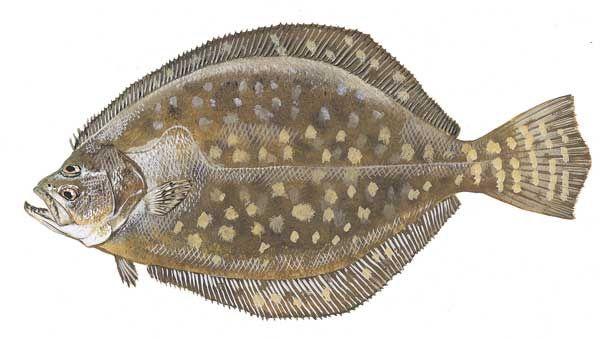
Southern Flounder Overview
The Southern Flounder (Paralichthys lethostigma) is a fascinating member of the Paralichthyidae family within the order Pleuronectiformes. What makes this flatfish truly remarkable is its distinctive asymmetrical eye placement—both eyes positioned on the left side of its head—and its remarkable ability to camouflage itself against sandy and muddy bottoms. These bottom-dwelling ambush predators are native to coastal waters across the Atlantic seaboard and Gulf of Mexico, making them a favorite target for both recreational and commercial anglers. Unlike their close cousin the Summer Flounder, Southern Flounders display numerous light and dark blotches rather than the oscillating spot patterns found on other flounder species. Whether you're casting lines near coastal channels or exploring estuaries, encountering this skilled predator is a genuine thrill that keeps anglers coming back season after season.
Southern Flounder Habitat and Distribution
Southern Flounders thrive in shallow coastal marine environments spanning from the Atlantic seaboard down through the Gulf of Mexico. You'll find them inhabiting sandy, rocky, or muddy bottoms in bays, rivers, lakes, estuaries, and inshore channels where they can easily ambush unsuspecting prey. These fish prefer staying in water shallow enough to maintain their bottom-dwelling lifestyle, which makes them accessible to shore-based and small boat anglers alike. During winter months, most adult specimens migrate offshore to deeper, warmer waters, so timing your fishing trips accordingly can significantly impact your success rates. The species thrives in areas with strong tidal currents and rich prey populations, making river mouths and coastal channels particularly productive fishing zones.
Southern Flounder Size and Weight
Southern Flounders typically range from 12 to 18 inches in length, with exceptional specimens stretching up to 33 inches or more. The average catch weighs around 1 to 4 pounds, which makes for excellent table fare and enjoyable sport on light-to-medium tackle. However, the all-tackle weight record stands at an impressive 20 pounds 9 ounces, proving that genuine trophy-sized flounders do exist for patient and skilled anglers willing to pursue them. Size varies considerably depending on habitat quality, water temperature, and food availability, with offshore populations generally producing larger specimens than their inshore cousins.
Southern Flounder Diet and Behavior
These masterful hunters are ambush predators that spend much of their day buried beneath sand or mud on the seafloor, waiting for unsuspecting prey to swim overhead. Their primary diet consists of worms, shrimp, blue crabs, and smaller fish species including anchovies, menhaden, and mullets. What's truly impressive is their ability to change color and pattern to perfectly match their surrounding substrate, effectively becoming invisible to both prey and predators. This chameleon-like adaptation is one of nature's most effective hunting strategies. Southern Flounders exhibit anguilliform swimming patterns, using their bodies and caudal fin to move gracefully through water despite their flattened body shape. Behaviorally, they're most active during tidal movements when increased water flow brings more food opportunities within striking distance.
Southern Flounder Spawning and Seasonal Activity
Female Southern Flounders demonstrate remarkable reproductive capacity, capable of releasing up to 9,000 eggs during a single spawning event. Spawning typically occurs during late fall and winter months, with larvae drifting into estuaries and shallow bays as nursery grounds throughout spring and early summer. Juvenile flounders grow rapidly in these nutrient-rich nurseries before gradually moving to deeper offshore waters as they mature. Males exhibit notably shorter lifespans compared to females, typically living only three years maximum, while females can reach considerably older ages. This pronounced sexual dimorphism in lifespan makes protecting breeding populations especially important for long-term fishery sustainability.
Southern Flounder Techniques for Observation or Capture
Still Fishing and Drift Fishing: The most effective method involves still fishing or drift fishing directly over known flounder habitat on sandy or muddy bottoms. Position your boat in channels or along drop-offs where these fish congregate. Use a single-hooked slip lead or free-line rig with heads ranging from 1/4 to 3/8 inches. Light-to-medium rod and reel combinations spooled with 10-pound test line work perfectly. Cast your rig uptide and maintain bottom contact, feeling for the characteristic tap-tap-tap of a feeding flounder.
Live Bait Presentation: Bull minnows, mullets, and live shrimp represent the gold standard baits for Southern Flounders. Present these offerings on the bottom where flounders hunt, allowing natural movement to trigger strikes. Around coastal areas like the Louisiana bayous or North Carolina sounds, fresh live shrimp often outperforms all other baits, particularly during peak tidal movements.
Fly Fishing: For a more engaging challenge, try fly fishing with medium-weight lines and small streamer patterns that mimic baitfish. Cast along channel edges and drop-offs, then execute slow, pulsing retrieves near the bottom. This technique works particularly well in shallower estuarine waters where sight-casting is possible.
Southern Flounder Culinary and Utilization Notes
Southern Flounder ranks among the finest eating flatfish available to anglers, featuring delicate, mild white meat with excellent flavor and tender texture. The meat cooks beautifully whether pan-seared, baked, or deep-fried, making it a favorite at both family dinners and upscale restaurants. A single 2-3 pound flounder provides a satisfying meal for two people, while larger specimens offer enough fillets for family gatherings. The high-quality protein, low fat content, and absence of strong fishy flavors make this species appealing even to seafood skeptics. From a sustainability perspective, recreational harvest at reasonable levels remains sustainable in most regions, though always check local regulations and size limits before keeping your catch.
Southern Flounder Frequently Asked Questions
Q: What is the best bait for catching Southern Flounder?
A: Live bull minnows, mullets, and shrimp consistently outperform artificial offerings. Fresh live shrimp typically produces the highest success rates, particularly during moving tide periods when flounders actively feed. The key is presenting your bait directly on the bottom where these ambush predators hunt.
Q: How do I distinguish a Southern Flounder from a Summer Flounder?
A: The most reliable distinguishing feature is the spot pattern on the dark side. Southern Flounders display numerous light and dark blotches and irregular spots, while Summer Flounders exhibit more uniform, oscillating spot patterns. Additionally, Southern Flounders typically have less developed pectoral fins compared to their cousins.
Q: When is the best time to catch Southern Flounder?
A: Spring through early fall offers excellent opportunities as fish remain in shallower inshore waters. Winter months see most flounders migrating offshore to deeper refuge, making them harder to access from shore. Tidal movements create peak feeding windows, so fish moving tides whenever possible for maximum productivity.
Q: Are Southern Flounders good to eat?
A: Absolutely—they rank among the finest-tasting flatfish available. The delicate white meat offers mild flavor and tender texture, cooking beautifully through multiple preparation methods. A 2-3 pound flounder provides an excellent meal, while larger specimens offer abundant fillets for family dining.
Q: What fishing techniques work best for Southern Flounder?
A: Still fishing and drift fishing over bottom habitat produce the most consistent results. Position your boat in channels or along defined drop-offs, maintaining bottom contact with your rig. Light-to-medium tackle spooled with 10-pound test line provides excellent sensitivity for detecting the subtle takes these bottom feeders produce.
Q: Can I sight-cast to Southern Flounder in shallow water?
A: Yes, in clear shallow estuaries and bays you can occasionally spot feeding flounders and cast to them directly. However, their excellent camouflage makes spotting them challenging. Fly fishing with streamers works well in these situations, though traditional bottom-fishing techniques remain more consistently productive.